 Back to all Cases
Turning AI-Built Demo to an Actual Working Product
A product can look nearly finished from the outside and still not be ready for real users. A UK-based startup came to us with an AI tool that explains legal documents: a user uploads a court document or a fine, chooses a country, and receives an analysis based on that country’s law, for educational purposes. The idea and the core flow were in place. What was missing was everything around them: a way to take payments, a safe place to test, and a reliable way to work when the AI service was slow or unavailable. ASD Team audited the product, kept most of the existing code, and prepared it for launch.
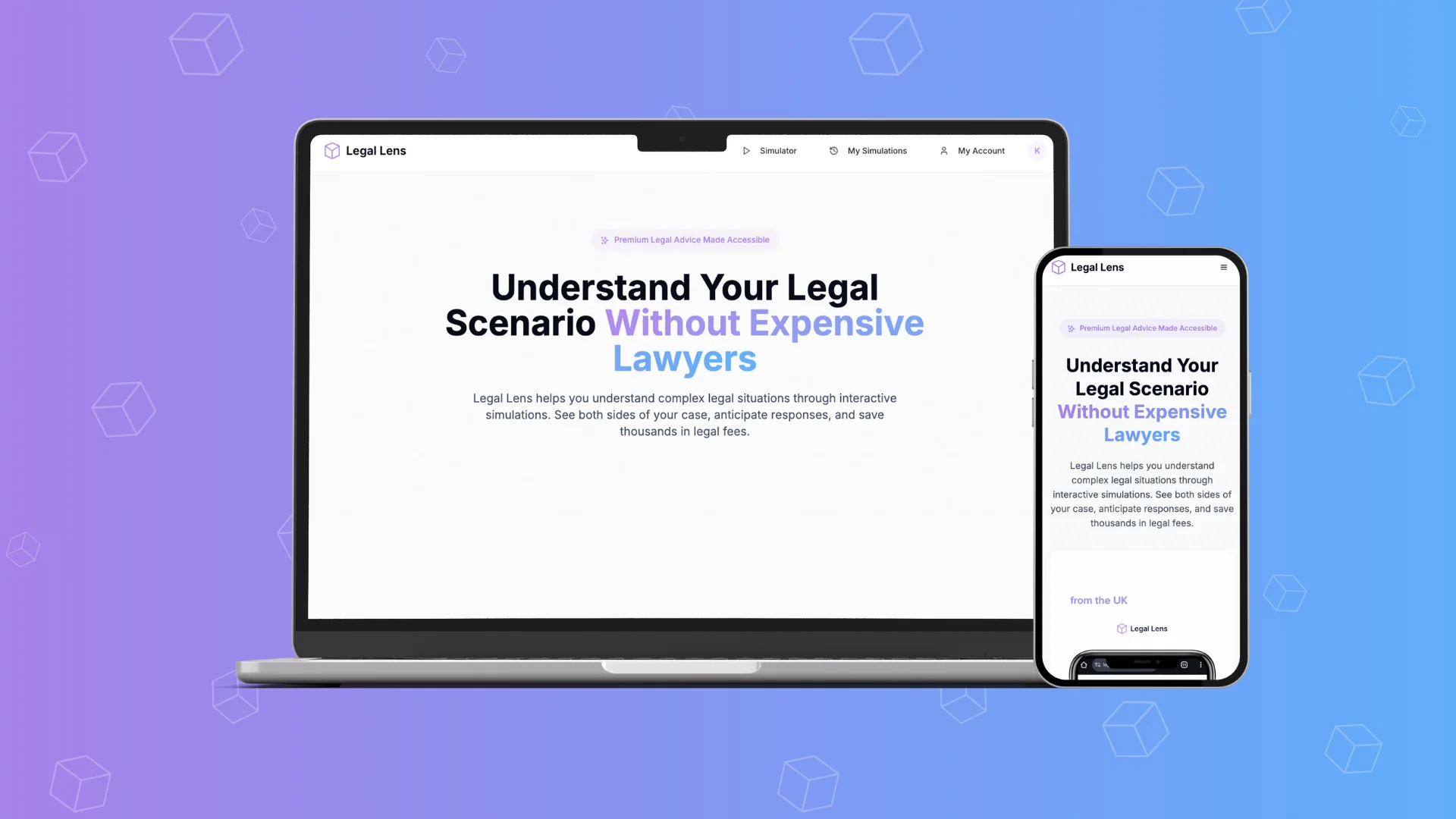


The client believed the product was close to launch. In their words, it was around 80% ready. From the outside, that looked right: there was a working interface and an AI analysis behind it.
In practice, three things stood between the product and its first customers. There was no payment system, so users had no way to pay. There was no demo environment, so new features couldn’t be tested before they reached users. And delivery had been irregular, with no clear picture of who was building what.
The AI analysis was the heart of the product, and it didn’t work reliably yet. In our testing, roughly one in three attempts returned an answer. The causes varied: usage limits at the AI provider were reached after only a few users asked questions, and sometimes the service itself didn’t respond.
- a payment flow
- separate test and production environments
- a predictable way to deliver changes
- a plan for what happens when an AI request fails
Most of the existing code was worth keeping. More than half stayed.
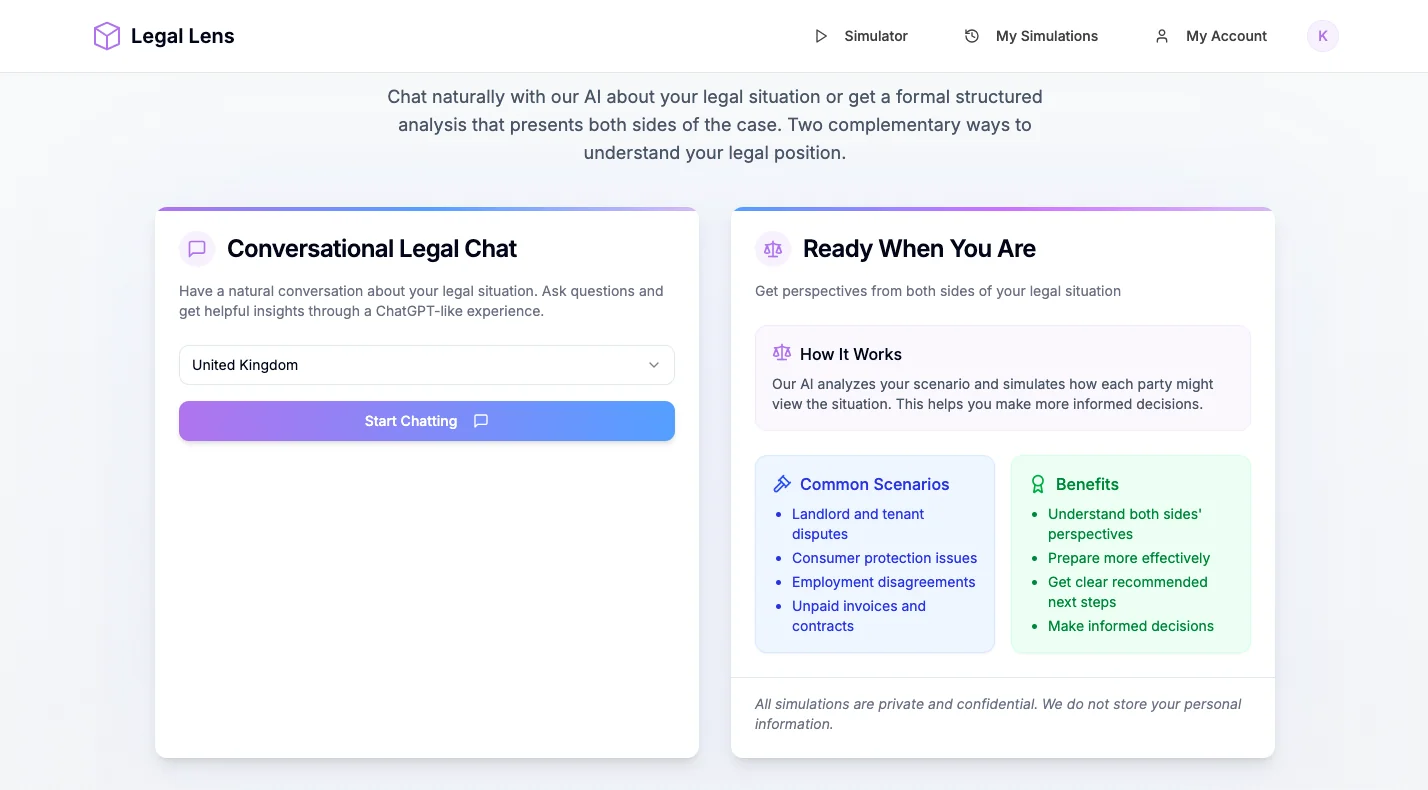
Step 1: Audit before changing anything
We reviewed the product and the code, and agreed with the client what to keep, what to improve and what was missing.
Step 2: Refactor, not rewrite
We cleaned up the existing code where it was getting in the way and kept the working parts, so the client didn’t pay twice for things that already worked.
Step 3: Set up demo and production environments
Features can now be checked before release, and production stays stable.
Step 4: Make the AI workflow dependable
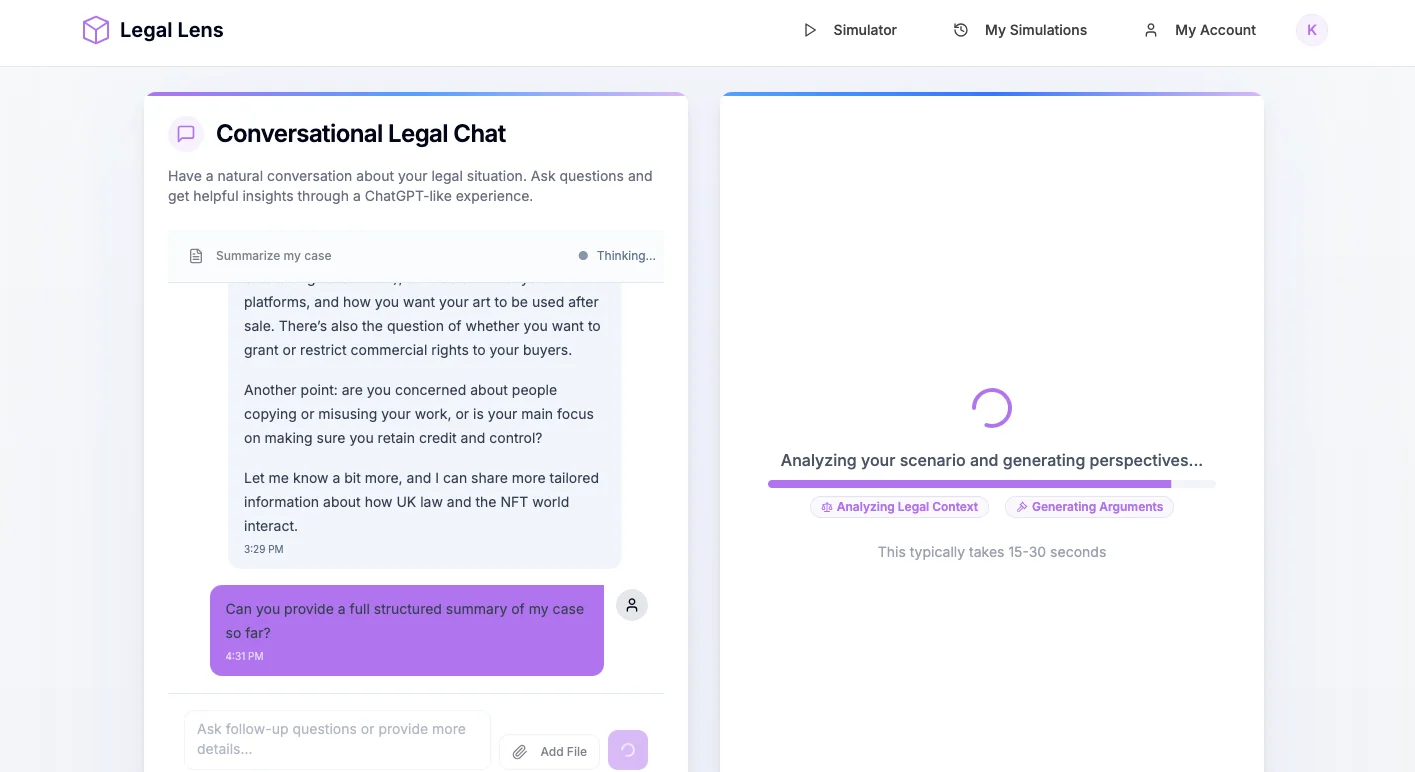
We built a workflow with a fallback for the moments when the AI service fails or reaches its limits, and added a check of each PDF before it is processed. Choosing an AI setup that was reliable enough was the hardest part of the project.
Step 5: Add payments
We connected Stripe billing, so users could pay for the service.
Step 6: Release and support
After the release, we stayed on the project to monitor it and finish remaining features.
- A document upload and analysis flow, with the analysis based on the law of the country the user chooses
- A PDF check before each document is processed
- An AI workflow that handles failures and limits with a fallback
- Stripe billing
- Separate demo and production environments
- Post-release monitoring and support
The client had a product they could test safely, charge for and release with confidence. AI requests no longer depended on every call succeeding at the first try.
A working AI call is not the same as a working AI product. The AI analysis was the idea. Making it reliable for every user, on every request, and wrapping it in payments, test environments, and regular releases is what made it a product that could launch.
- Product audit and refactoring
- AI workflow with fallback
- PDF validation
- Payment integration (Stripe)
- Demo and production environments
- Post-release support